

Introduction
The way we build and deliver software has transformed dramatically over the years, and cloud application development is at the heart of this revolution. No matter, if you're a small startup, a growing business, or a large enterprise, adopting cloud technologies, can transform the way you operate digitally. What does cloud application development involve, and why is it important for businesses? In this guide, we'll break it down for you in simple terms, diving into the fundamentals and exploring why cloud application development is a must-have for modern businesses.
What is Cloud Computing?
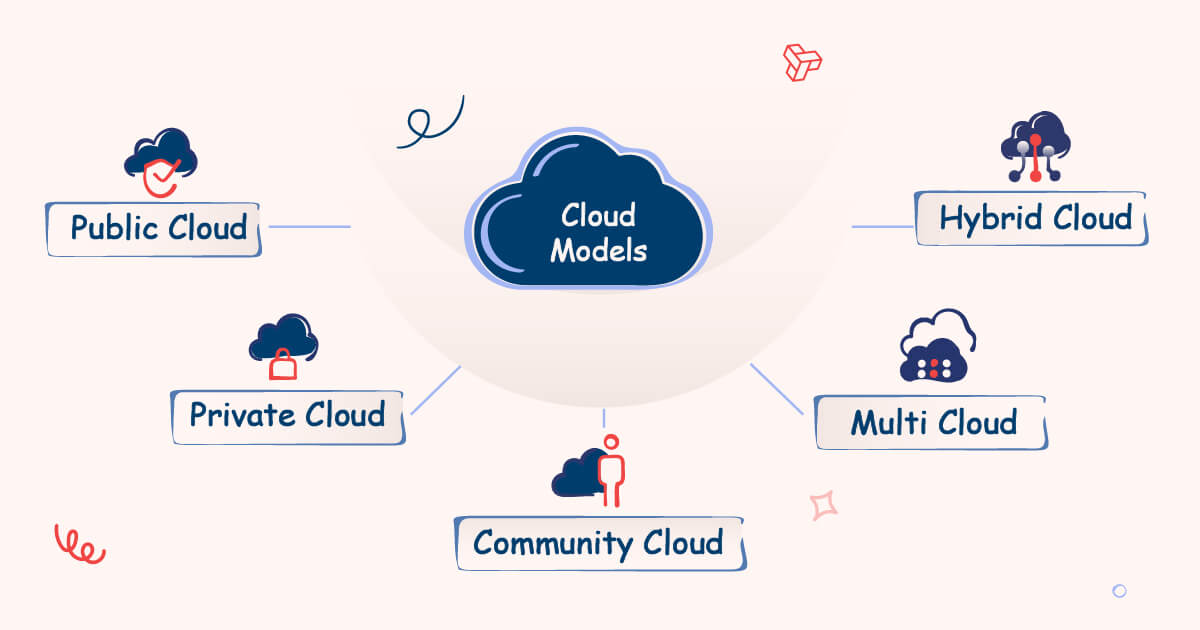
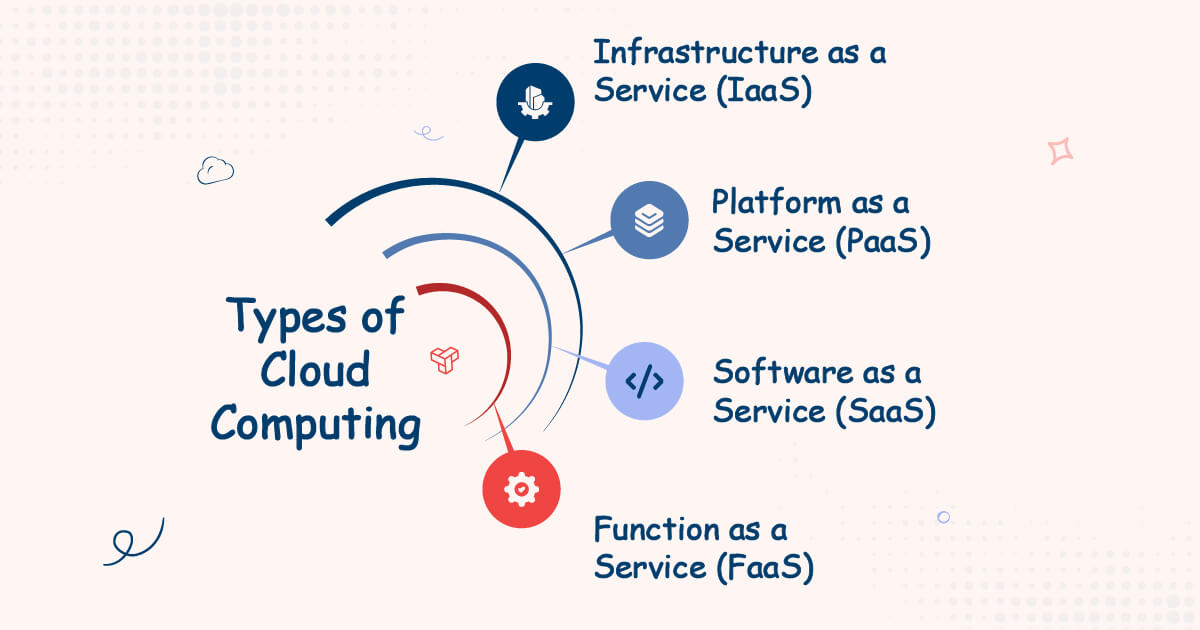
Cloud computing forms the core of modern digital infrastructure, shaping how businesses operate and innovate in today's tech-driven world. Cloud computing fundamentally involves providing computing services, including storage, databases, and software, through the internet, commonly known as "the cloud." Rather than depending on on-site hardware or servers, businesses can tap into resources as needed via cloud platforms, such as AWS, Microsoft Azure, or Google Cloud.
Imagine you no longer need to buy or maintain bulky servers. Instead, you pay for what you use, just like electricity or water. This flexibility makes cloud computing an appealing choice for businesses looking to scale rapidly, manage costs effectively, and stay agile in a competitive market.
In short, cloud computing isn’t just a buzzword; it’s a smarter way to handle digital infrastructure.
What is Cloud Application Development?
Cloud application development involves the creation, construction, and deployment of software applications that utilize cloud-based infrastructure. These applications aren’t restricted to a single device or operating system—they’re built to run on cloud platforms, ensuring accessibility from anywhere with an internet connection.
Unlike traditional software development, where apps are hosted on local servers or devices, cloud application development focuses on scalability, performance, and resilience. The apps are often built with a cloud-native approach, which means they use microservices, containerization, and serverless architectures to maximize efficiency.
For example, think of Netflix, Google Drive, or Zoom—all are cloud applications that provide seamless functionality to millions of users worldwide. Whether you're building a simple tool or a complex enterprise-grade platform, cloud application development makes it easier to create reliable and scalable solutions.
Key Benefits of Cloud Application Development: Unleashing the Power of the Cloud
Cloud application development brings several benefits that can greatly improve a business's productivity and contribute to its long-term growth. Let's explore some of the main advantages: